
FPS Care Galilée Brussels
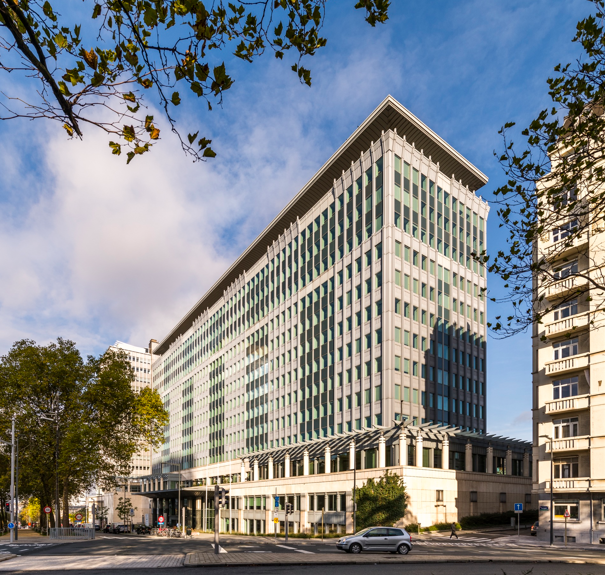
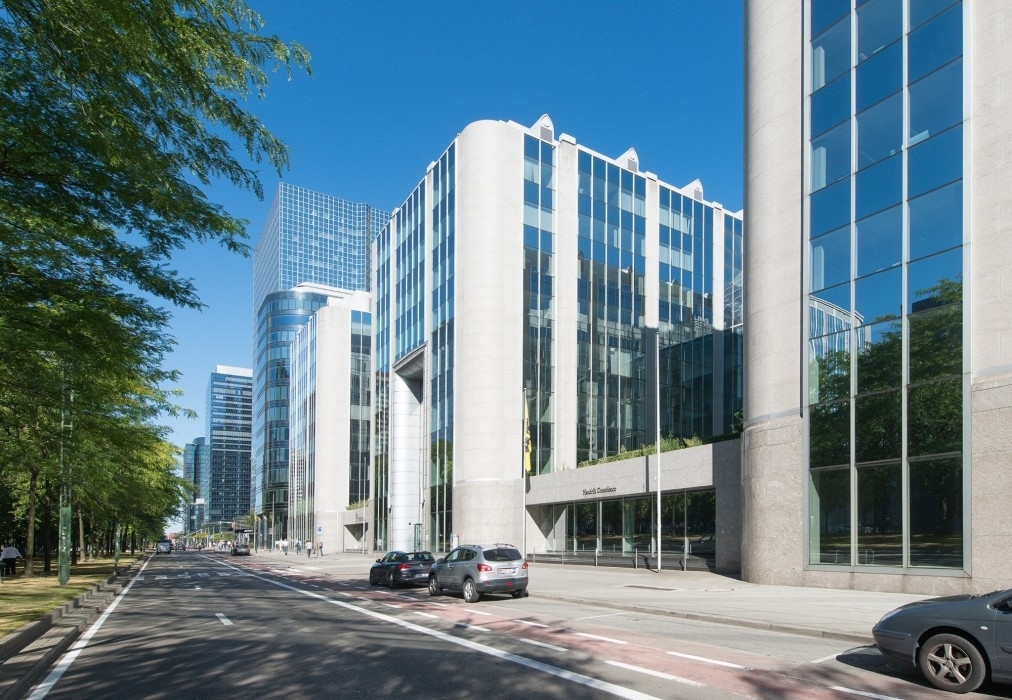
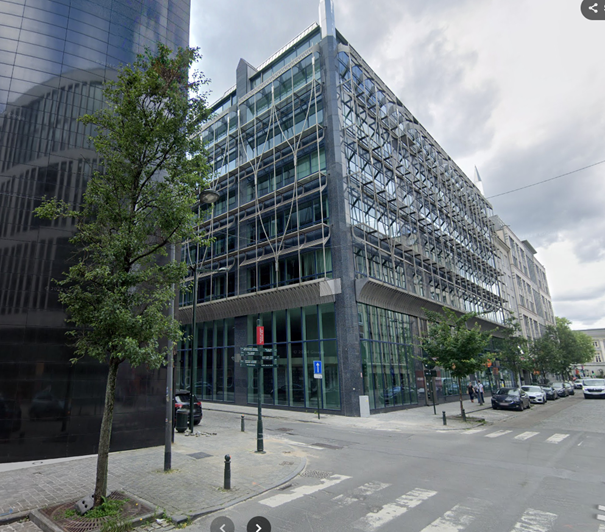
As part of the Redesign project, three federal agencies were relocated to the Galilée building (Saint-Josse-ten-Node), where a Smart Readiness Indicator was conducted to assess the potential of the building’s technical systems and propose improvements in comfort, user-friendliness, and energy efficiency as part of the planned renovation work.
Client
RIZIV - FPS HEALTHCARE
Partnership with
Freestone
Location
Saint-Josse-ten-Noode
Budget study
31.000 EUR
Timing study
Start of studies: September 2, 2019
as of April 10, 2020
Photo copyright
Binst Architects
General Objective, Framework, Scope
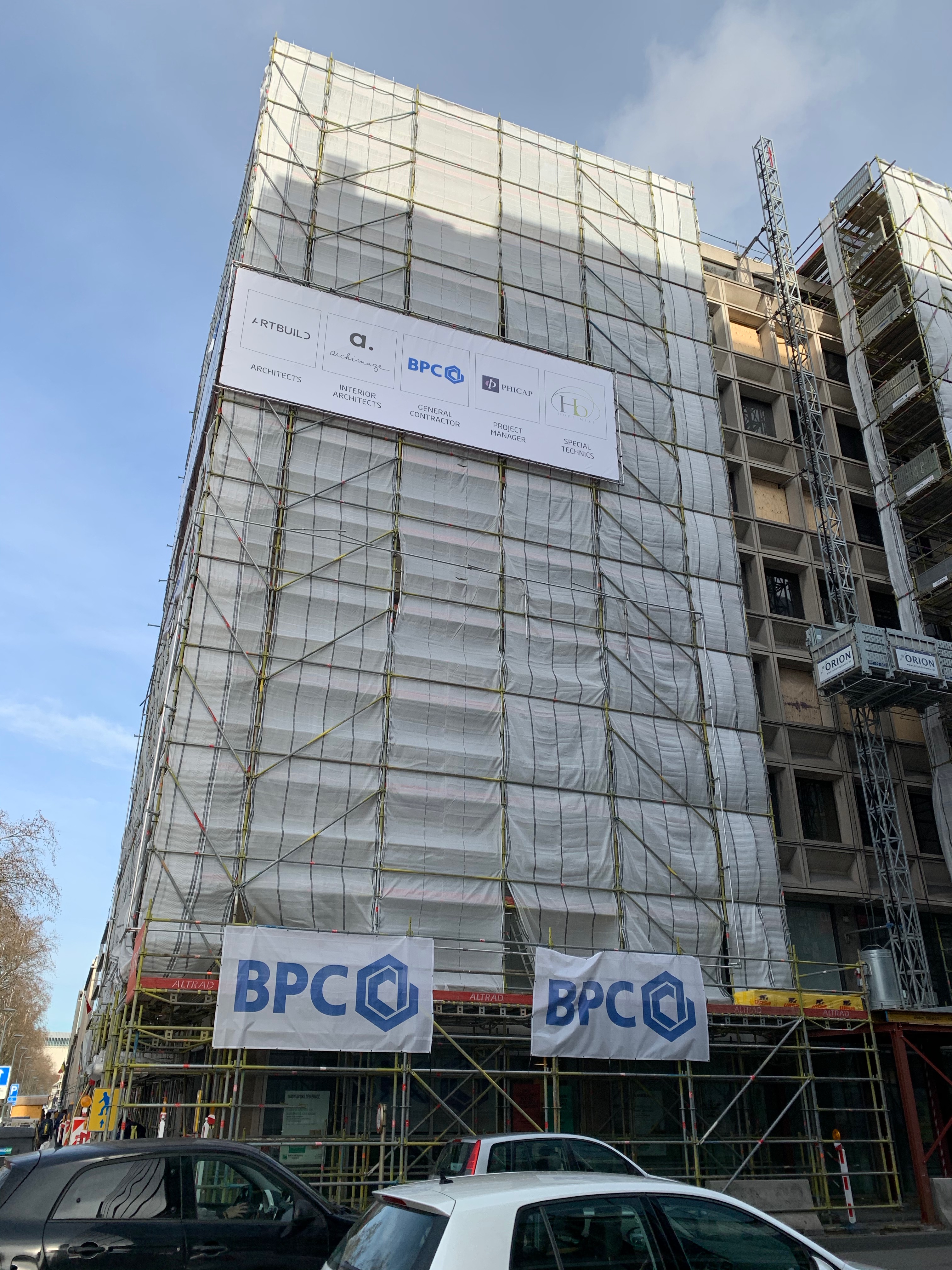
As part of the project to redesign healthcare institutions, the Federal Public Service Health, Food Chain Safety and Environment (FPS HEALTH) was merged with the National Institute for Health and Disability Insurance (RIZIV) (RIZIV) and the Federal Agency for Medicines and Health Products (FAGG) in the Galilée building in Saint-Josse-ten-Noode. It was built in 1971 and had been owned by Belfius all those years. With the takeover, the building’s interior was thoroughly renovated, and the opportunity was taken to investigate the potential still held by the existing building services systems to strive for greater comfort, ease of use and maintenance, and, of course, energy efficiency. The Smart Readiness Indicator (SRI) was used Smart Readiness Indicator a reference framework for this study. Based on the SRI results, optimizations and improvements were proposed that could be incorporated into the planned renovation work.
Role of Ingenium
Ingenium, in collaboration with Freestone, conducted a study aimed at optimizing and improving the current technical situation. The focus was primarily on energy efficiency, maintaining existing systems, and enhancing comfort as well as ease of use and maintenance. The Smart Readiness Indicator (SRI Smart Readiness Indicator the basis for this project. An analysis of the existing situation using the SRI revealed where current systems performed well in terms of smart applications, as well as where opportunities for improvement existed. After defining the improvement options, the SRI was reapplied, resulting in an overall score increase of 36%, with even greater gains in specific impact criteria such as comfort.
Final result
To conclude this study, Ingenium prepared a summary report that included an analysis of the current situation, the proposed improvements and their impact, and the desired situation following renovation. For replacements or improvements that did not necessarily need to be carried out as part of the planned renovation, a multi-year investment plan was drawn up. The proposed improvements were primarily in the areas of monitoring, control, and regulation.




Also bitten by
smart technology?
Come push boundaries with us and help make a difference in our industry-leading projects.