
Energy Master Plan for the St. Vincentius Nursing Home in Kaprijke
An energy master plan was developed for the Sint Vincentius Residential Care Center in Kaprijke with the aim of preparing the existing site for the energy transition in the short, medium, and long term.
Client:
Zorg-Saam Sisters of the Infancy of Jesus
Location:
1 Vrouwstraat, 9970 Kaprijke
Budget study:
€12,961.00 (excl. tax)
Period of study:
September 2025 – December 2025
Energy Master Plan for the St. Vincentius Nursing Home in Kaprijke
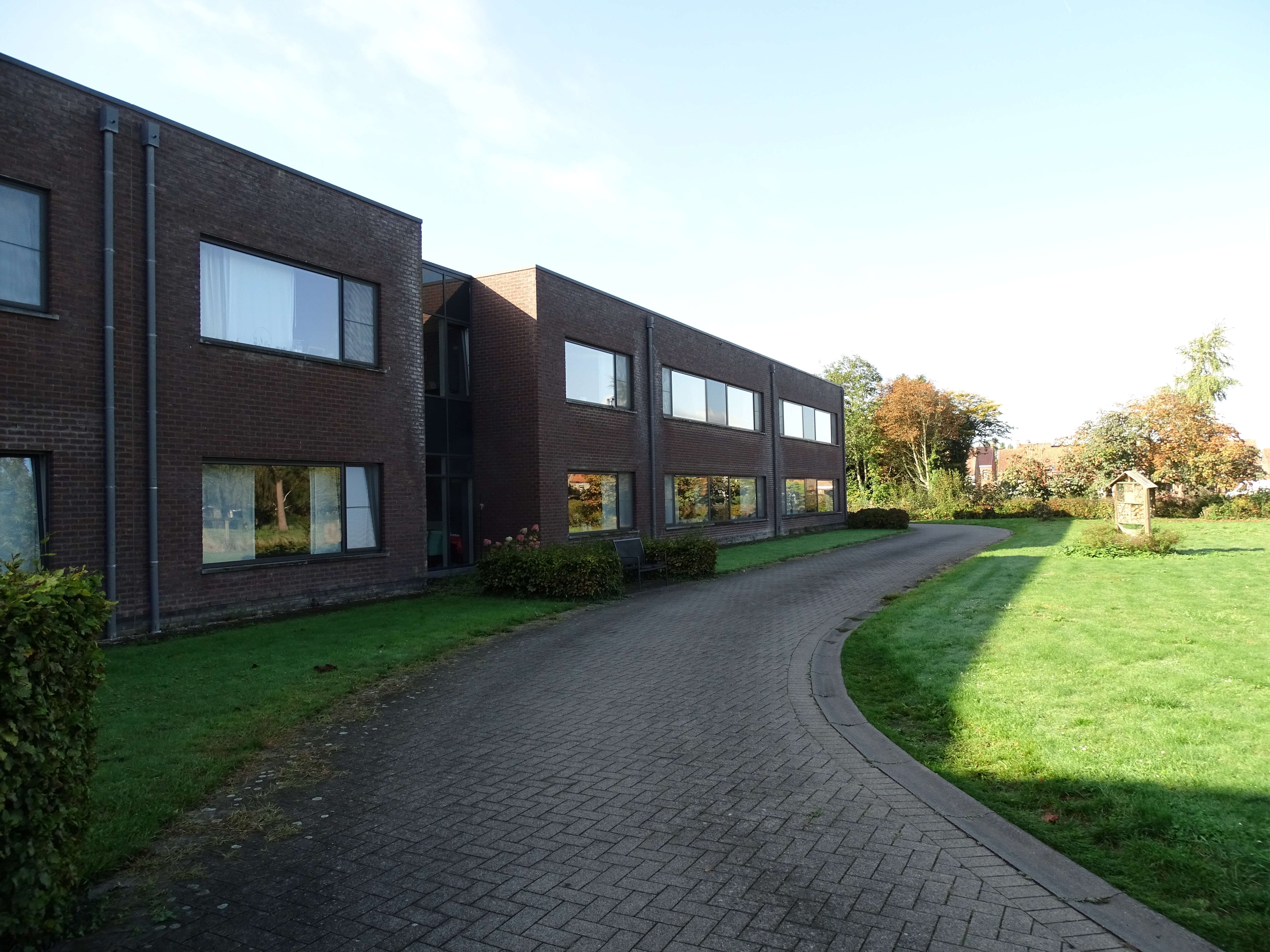
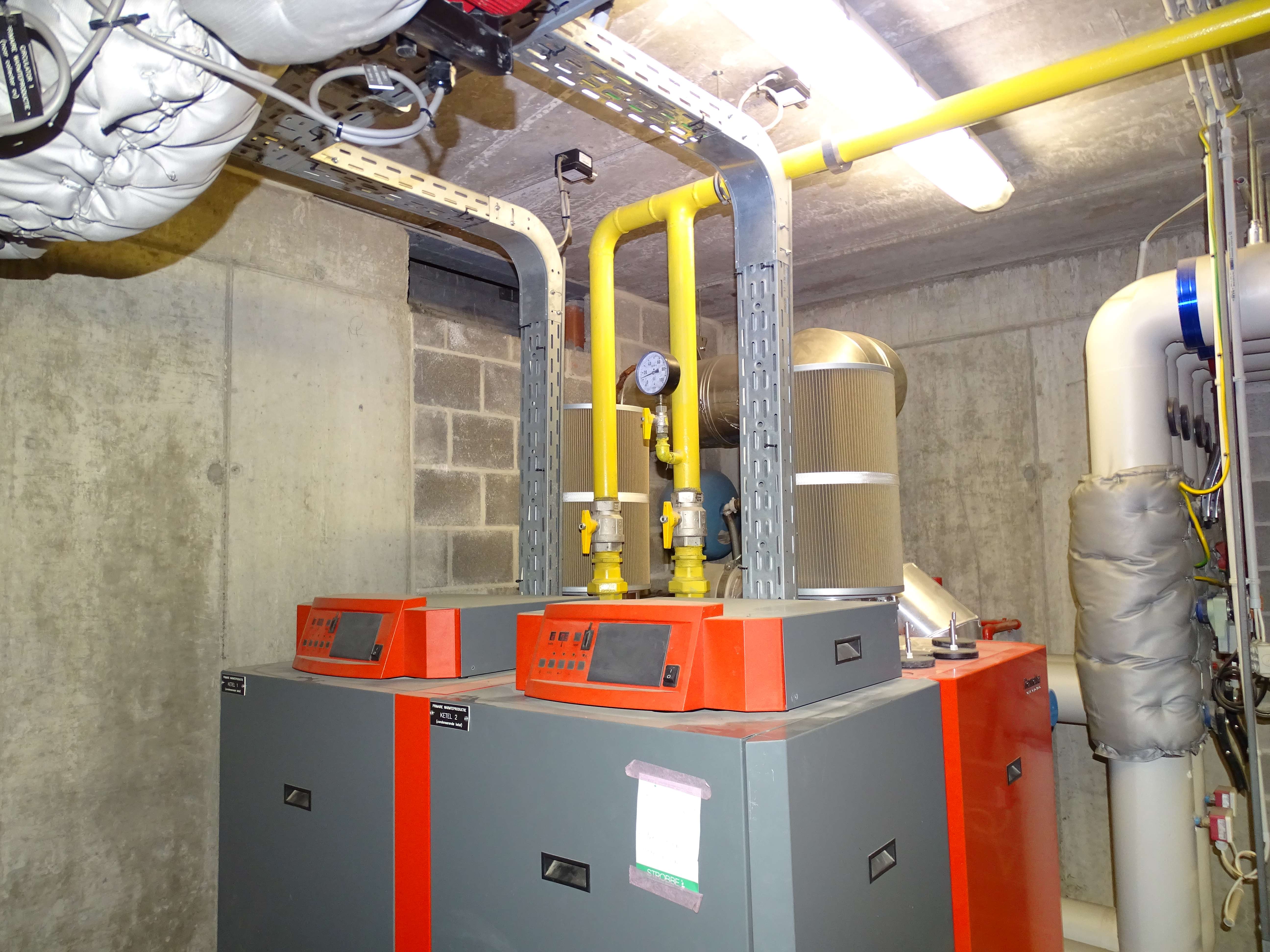
An energy master plan was developed for the Sint Vincentius Residential Care Center in Kaprijke with the aim of preparing the existing site for the energy transition in the short, medium, and long term. The study is based on an analysis of current energy consumption, the building envelope, the technical systems, and future regulations for non-residential buildings. Among other things, it examined HVAC systems, charging infrastructure, EPC NR, ETS 2.0, the tax shift, and the F-gas regulation. The site currently features a building envelope with insulated roofs, facades, and floors, an existing PV installation, condensing gas boilers, air handling units, a cooling system, conventional lighting, and limited central control.
Ingenium analyzed the current situation based on consumption data, site visits, technical documentation, and benchmark data from its own energy database. For natural gas, electricity, and water, an IPMVP baseline model was developed to objectively explain consumption and quantify future savings. In addition, Ingenium conducted an assessment of the building envelope, heat generation, domestic hot water, ventilation, cooling, lighting, the PV system, and the electrical infrastructure. Based on this, concrete energy measures were developed, including CAPEX, OPEX, energy savings, CO2 reduction, payback period, priority, and proposed year of implementation.
The end result is a phased energy master plan that includes a range of architectural, technical, and control system measures. The proposed measures include roof renovation, repositioning of PV panels, conversion to LED lighting, energy monitoring, optimization of the HVAC control system, and a hybrid boiler room renovation with a reversible heat pump and gas boilers for peak and backup capacity. In the longer term, the full electrification of heat production is being explored, including low-temperature distribution, heat pumps, and an alternative system for Legionella control in domestic hot water. Together, the measures outlined result in an estimated investment of approximately 3.36 million euros, annual financial savings of approximately 31,000 euros, electricity savings of approximately 100 MWh per year, and gas savings of approximately 297 MWh per year.




Also bitten by
smart technology?
Come push boundaries with us and help make a difference in our industry-leading projects.