
AZ Sint-Jan, Cold production by absorption refrigeration

Client
A.Z. St.-Jan Bruges AV
Location
Bruges
Budget techniques
approx. EUR 3,000,000 (excl. VAT)
Ingenium studied and implemented an absorption cooling system for AZ St.-Jan Bruges using residual heat from the IVBO incinerator—an ANRE demonstration project that has reduced CO2 emissions from cooling operations by 55% since 2005.
Growing Demand for Cooling Capacity
Hospitals are constantly evolving: new technology, stricter hygiene requirements, and rising energy demand call for ongoing adjustments to the infrastructure. At the AZ Sint-Jan in Bruges, the demand for cooling capacity grew steadily, resulting in a rising electricity bill.
At the same time, various departments had to be renovated and modernized without disrupting the continuity of care. To organize this process, a master plan was drawn up to optimize and upgrade the technical systems.
This Master Plan combines phased renovations with a sustainable energy vision, in which innovative use of residual heat reduces energy costs and lowers CO₂ emissions.
Ingenium has been involved since the 1970s
Ingenium has been involved in the design of the hospital’s technical systems since its construction in the early 1970s. During the new construction, Ingenium was responsible for the design and supervision of all electrical systems. Ingenium was called upon time and again during subsequent renovation and expansion phases.
Specialized Projects: Ingenium coordinated the redesign of the radiology department, including the installation of the very first NMR scanner. To this end, the logistics areas were constructed to be completely non-magnetic, serving as an absolute filter for a broad spectrum of radiation.
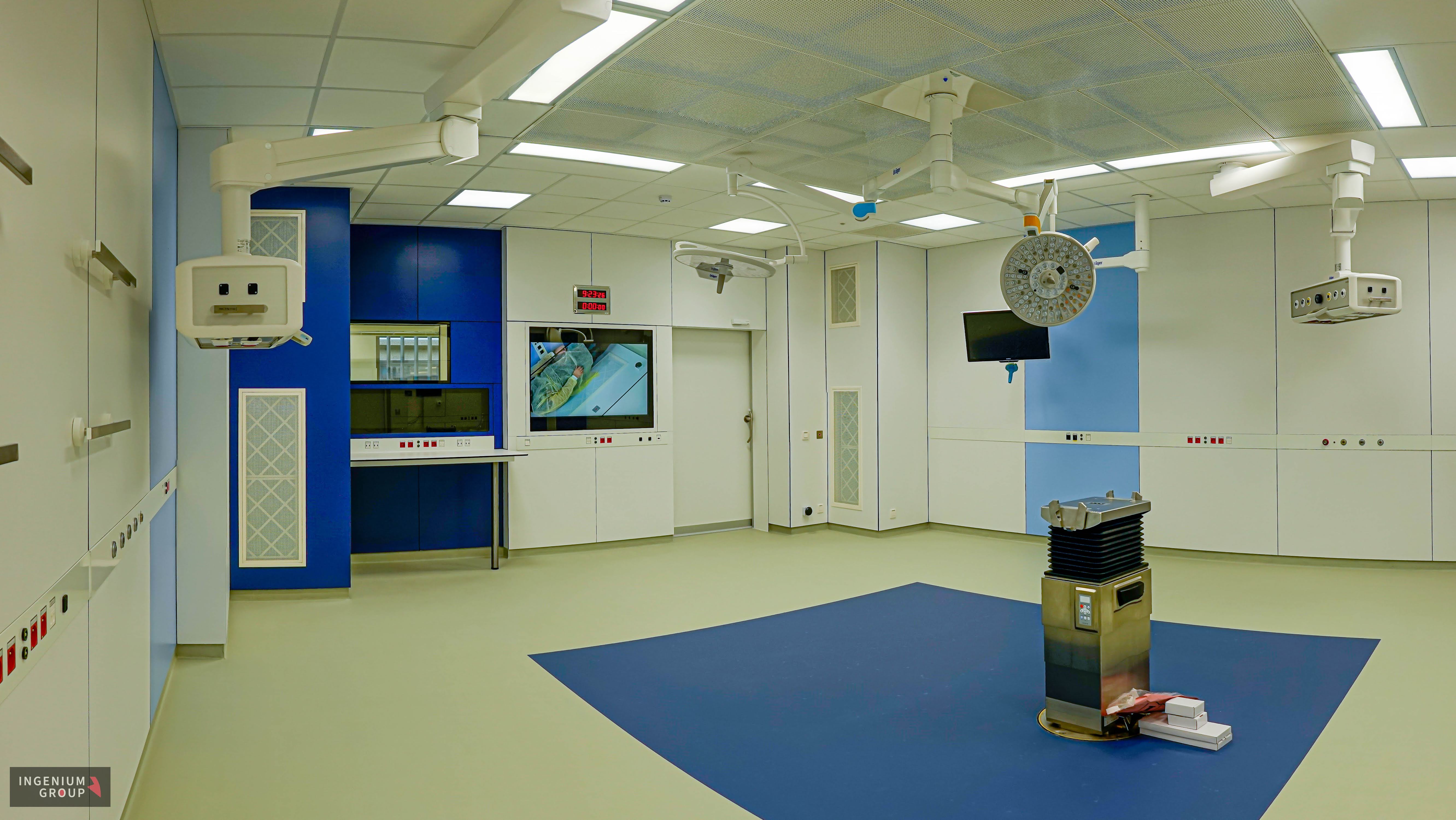
Master Plan and Phased Renovations: As part of the Master Plan, Ingenium was commissioned to optimize and modernize the existing systems. Several projects have already been completed: the main entrance, nursing units VE 125 and VE 235, the pharmacy, the operating room department, the emergency and critical care unit, the morgue, the sterilization department, the dentistry department, and the laboratory. All of these renovations were carried out while the hospital remained fully operational.
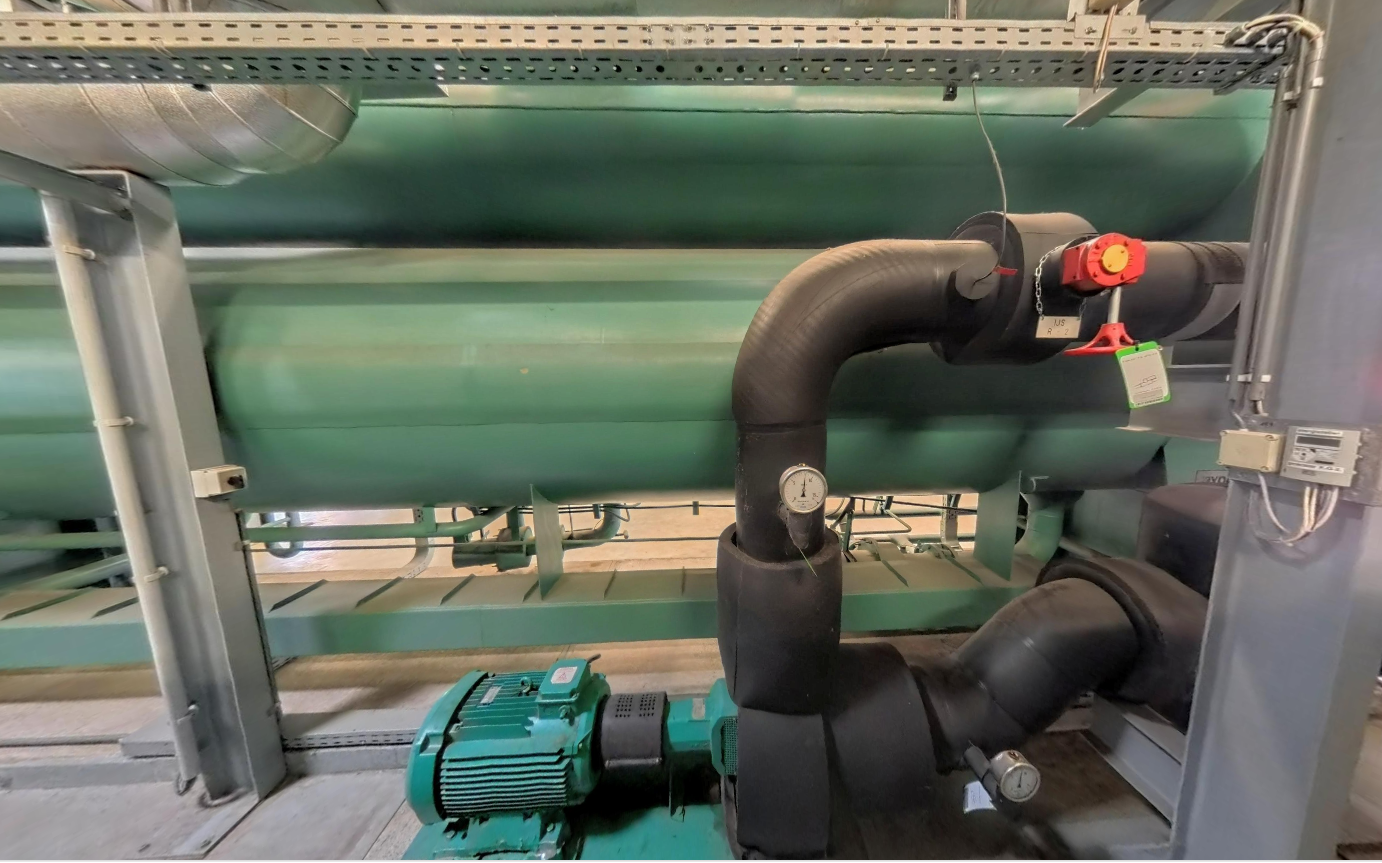
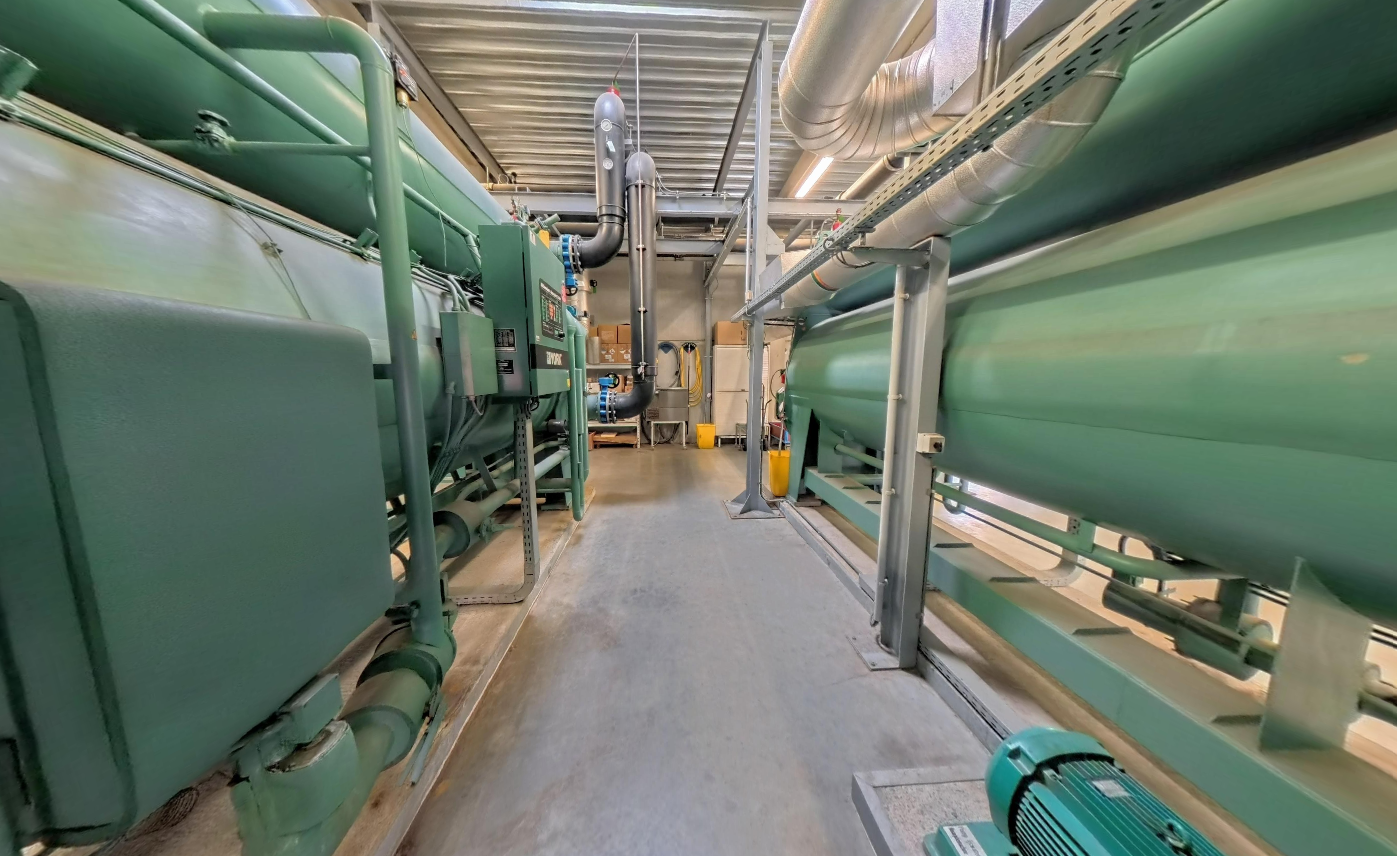
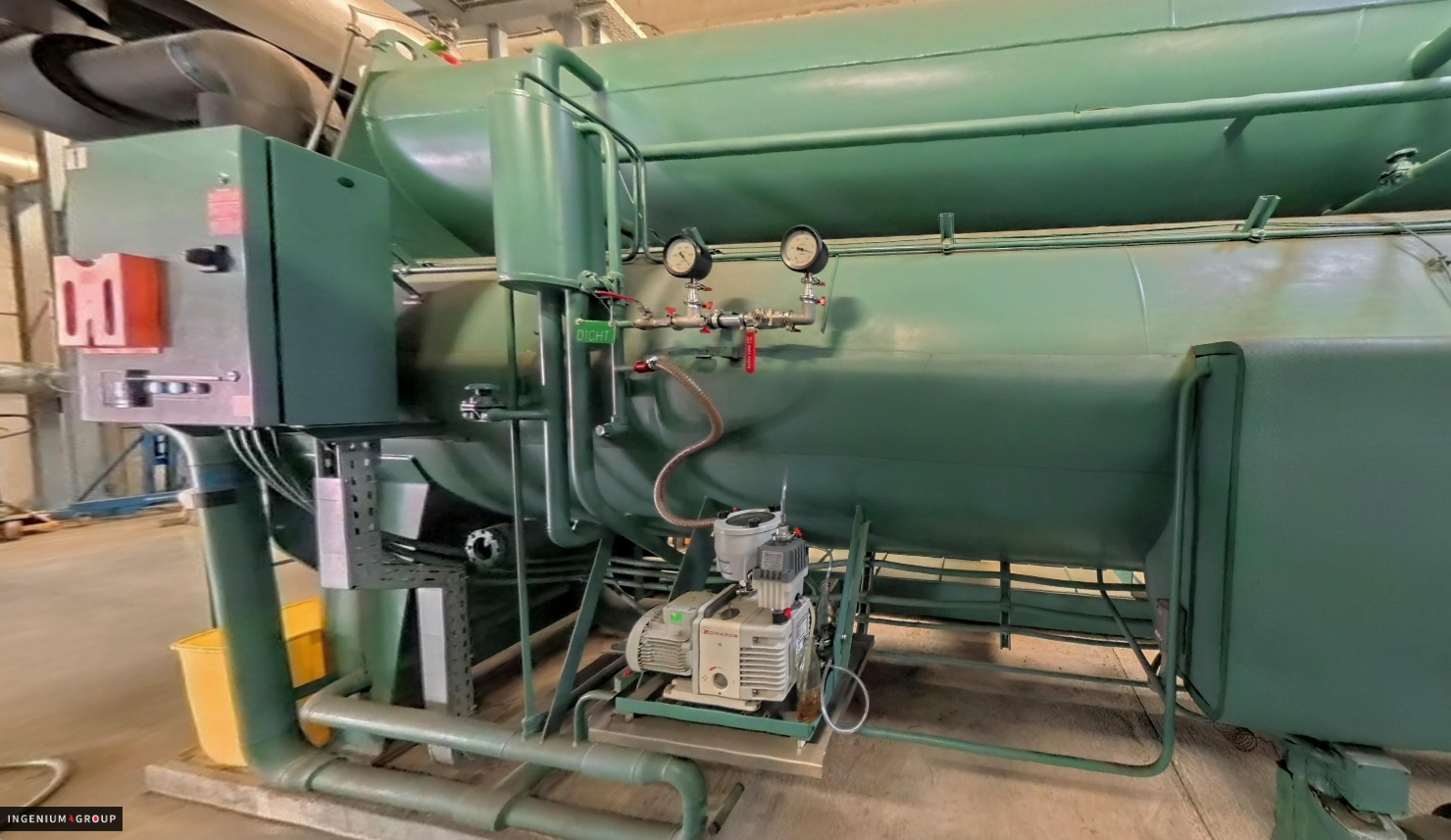
Energy Management and Innovative Cooling: Ingenium advises the technical department on energy management. After extensive research, Ingenium developed a cooling system that converts the residual heat from the IVBO incinerator into cooling using absorption chillers. This system delivers a final capacity of 4.8 MW and results in annual savings of 50,000 EUR on the energy bill. The solution reduces CO₂ emissions by 8.4% and complies with the Kyoto Protocol.
Techniques Used
Electrical Installations (1970s–present):
- Design and Supervision of Electrical Systems for New Construction and Renovations
Non-magnetic areas (radiology):
- Fully non-magnetic design of the logistics areas for an NMR scanner
- Absolute filter for a broad spectrum of radiation
Innovative cooling systems (energy management):
- Final capacity: 4.8 MW cooling
- Principle: Residual heat from the IVBO incinerator is converted into ice water using absorption chillers
- Temperature range: 6–12 °C
- Heat Dissipation: Bruges–Ostend Canal
- Savings: 50,000 EUR per year on energy bills
- CO₂ reduction: 8.4% (in accordance with the Kyoto Protocol)
Renovations in a hospital that remains open:
- Phased approach: main entrance, nursing units VE 125 and VE 235, pharmacy, operating room department, emergency and critical care unit, morgue, sterilization department, dentistry, laboratory



Also bitten by
smart technology?
Come push boundaries with us and help make a difference in our industry-leading projects.