Shipyard EDR Antwerp

After 6 decades of intensive use by previous operators, the EDR Antwerp Shipyard site was in need of renovation. The main focal points? Using less energy, enabling smoother maintenance, making the installations function smarter and increasing safety.

Location

Antwerp

Services
No items found.

The shipyard, which covers 370,000 m² , is located on Industrieweg in Antwerp’s Hansadok and features 4 dry docks and 2 wet docks with 2,000 running meters of berthing quay for ship repairs. Four years ago, EDR Antwerp Shipyard asked Industrium to draw up a master plan to prepare the site for the future. In addition to the docks (which are managed by the Port of Antwerp), EDR also has a number of workshops where parts are repaired or manufactured, as well as the “landing,” where oversized items are stored outdoors.

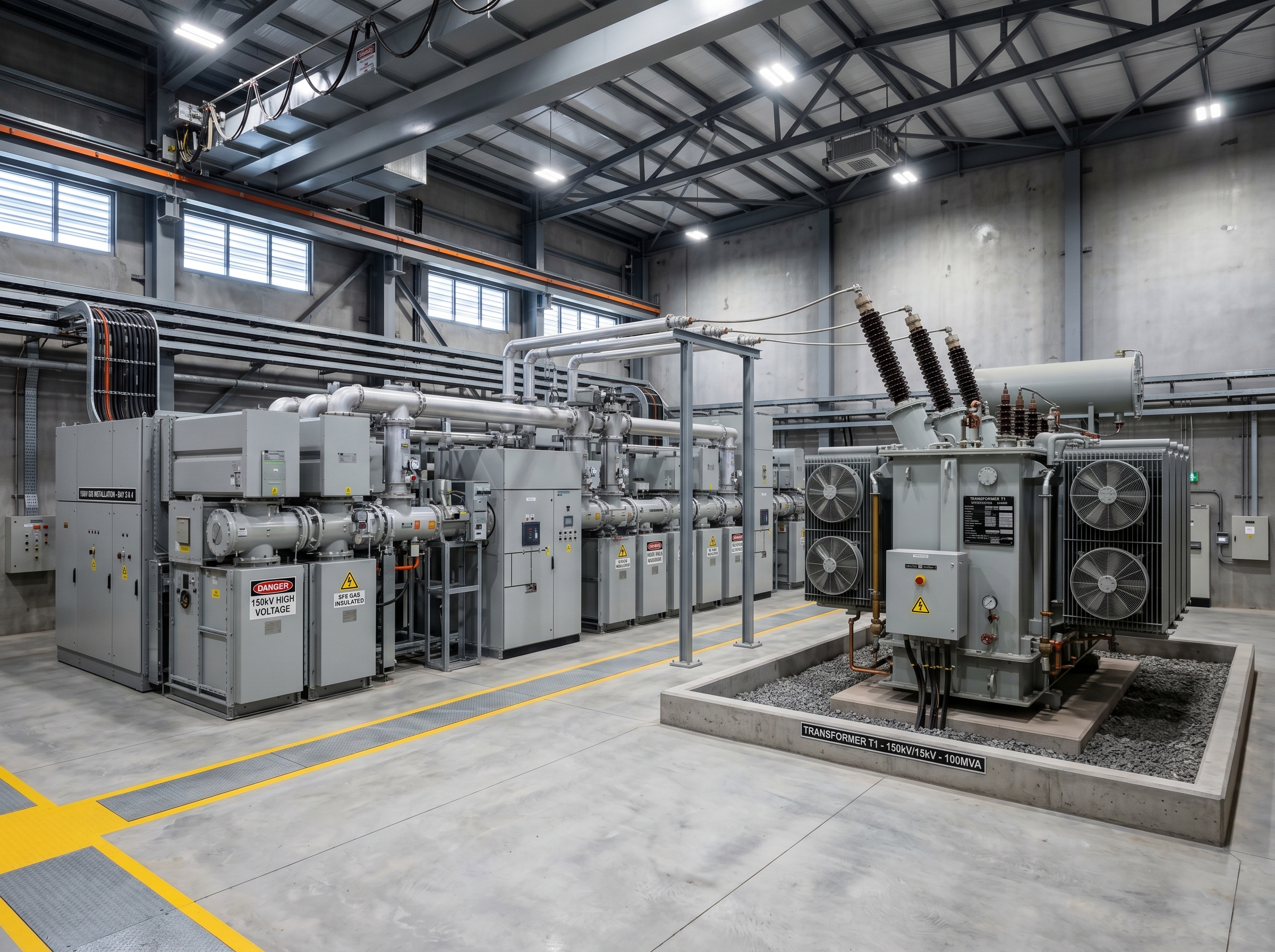
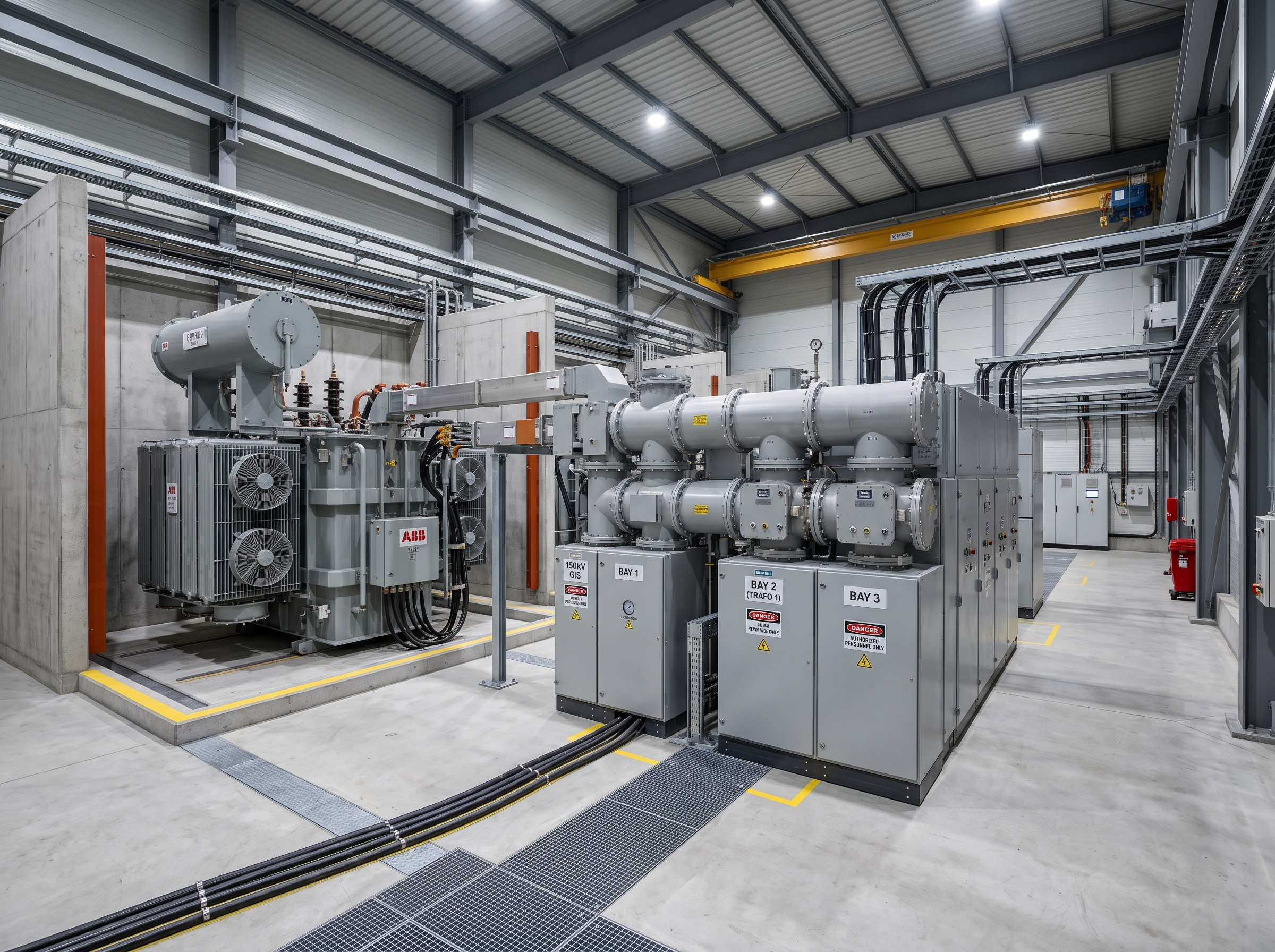
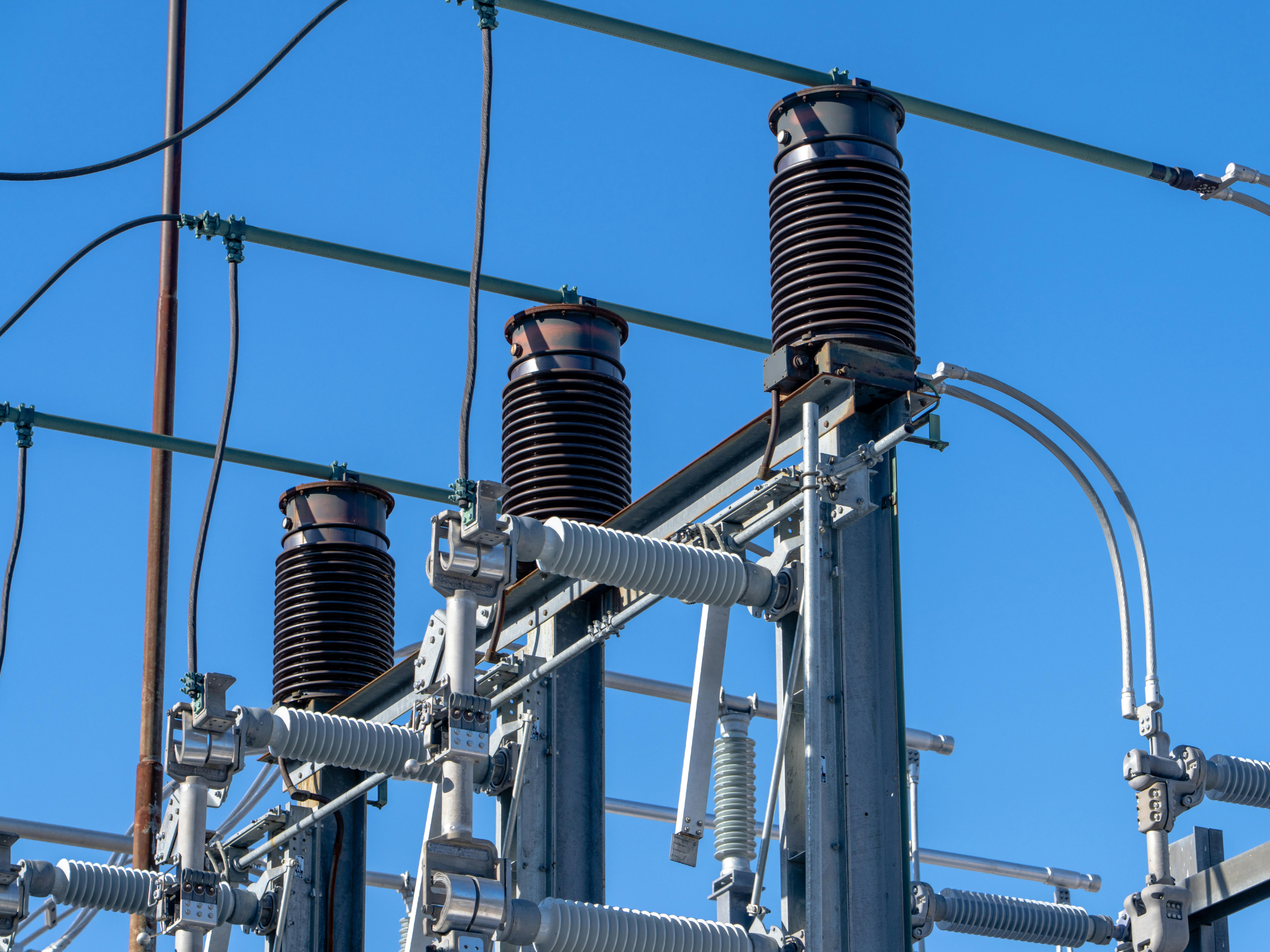
The presence of various pumps, winches, cranes, hoists, welding stations, and compressors results in high electricity consumption. The high-voltage system therefore has a capacity of 15 MVA, roughly equivalent to one and a half wind turbines. This capacity has been generously sized to allow for the future provision of shore power to ships in the docks, enabling them to shut down their own (diesel) generators.Variable-frequency pumps: The pumps that drain the dry docks are major power consumers. They are housed in an underground pump station next to each dock. Their flow rate varies between 10,000 and 13,000 m³ per hour, with a power consumption between 350 and 450 kW. The current pumps are of the “star/delta with resistor banks” type. During rapid startup to full power, 6 to 7 times the pump’s rated power is consumed, while the resistor banks act as brakes. This generates a great deal of heat, which is lost. These are also enormous power peaks that the public power grid would rather avoid. That is why the new pumps are frequency-controlled. Their power consumption can vary gradually between 0 and 100 percent depending on demand, thereby avoiding peak loads and significantly reducing electricity consumption.

Electric cranes are installed on both sides of each dock, along with tower cranes ranging from 40 to 100 metric tons. They currently still run on diesel. To drastically reduce the shipyard’s CO₂ emissions, they will be connected to the high-voltage grid. We are advising EDR and its supplier, MIT Group from Breda, on the best solution for switching to electric power. In the past, the pumps were operated exclusively by hand. This was time-consuming, confusing, and not always safe during maintenance work. In the future, sensors and flow rate measurements will ensure that the speed of the pumping process can be perfectly tailored to customer needs. This will increase the shipyard’s economic efficiency. Furthermore, when flow losses are detected, it will be possible to take action more quickly to repair defects or schedule maintenance.

For safety purposes, we focus primarily on the dock winches, tow tractors, and gate winch. The pumps do not pose a specific safety issue. After all, the smart network will also make it possible to centrally manage all data regarding the operation of the shipyard’s equipment. If an alarm were to go off, the maintenance technician could remotely identify the problem and intervene if necessary.

Also bitten by
smart technology?

Come push boundaries with us and help make a difference in our industry-leading projects.

Shipyard EDR Antwerp

The shipyard, which covers 370,000 m² , is located on Industrieweg in Antwerp’s Hansadok and features 4 dry docks and 2 wet docks with 2,000 running meters of berthing quay for ship repairs. Four years ago, EDR Antwerp Shipyard asked Industrium to draw up a master plan to prepare the site for the future. In addition to the docks (which are managed by the Port of Antwerp), EDR also has a number of workshops where parts are repaired or manufactured, as well as the “landing,” where oversized items are stored outdoors.

The presence of various pumps, winches, cranes, hoists, welding stations, and compressors results in high electricity consumption. The high-voltage system therefore has a capacity of 15 MVA, roughly equivalent to one and a half wind turbines. This capacity has been generously sized to allow for the future provision of shore power to ships in the docks, enabling them to shut down their own (diesel) generators.Variable-frequency pumps: The pumps that drain the dry docks are major power consumers. They are housed in an underground pump station next to each dock. Their flow rate varies between 10,000 and 13,000 m³ per hour, with a power consumption between 350 and 450 kW. The current pumps are of the “star/delta with resistor banks” type. During rapid startup to full power, 6 to 7 times the pump’s rated power is consumed, while the resistor banks act as brakes. This generates a great deal of heat, which is lost. These are also enormous power peaks that the public power grid would rather avoid. That is why the new pumps are frequency-controlled. Their power consumption can vary gradually between 0 and 100 percent depending on demand, thereby avoiding peak loads and significantly reducing electricity consumption.

Electric cranes are installed on both sides of each dock, along with tower cranes ranging from 40 to 100 metric tons. They currently still run on diesel. To drastically reduce the shipyard’s CO₂ emissions, they will be connected to the high-voltage grid. We are advising EDR and its supplier, MIT Group from Breda, on the best solution for switching to electric power. In the past, the pumps were operated exclusively by hand. This was time-consuming, confusing, and not always safe during maintenance work. In the future, sensors and flow rate measurements will ensure that the speed of the pumping process can be perfectly tailored to customer needs. This will increase the shipyard’s economic efficiency. Furthermore, when flow losses are detected, it will be possible to take action more quickly to repair defects or schedule maintenance.

For safety purposes, we focus primarily on the dock winches, tow tractors, and gate winch. The pumps do not pose a specific safety issue. After all, the smart network will also make it possible to centrally manage all data regarding the operation of the shipyard’s equipment. If an alarm were to go off, the maintenance technician could remotely identify the problem and intervene if necessary.

Shipyard EDR Antwerp

After 6 decades of intensive use by previous operators, the EDR Antwerp Shipyard site was in need of renovation. The main focal points? Using less energy, enabling smoother maintenance, making the installations function smarter and increasing safety.

Location

Antwerp

Services
No items found.
Sectors

Shipyard EDR Antwerp

The shipyard, which covers 370,000 m² , is located on Industrieweg in Antwerp’s Hansadok and features 4 dry docks and 2 wet docks with 2,000 running meters of berthing quay for ship repairs. Four years ago, EDR Antwerp Shipyard asked Industrium to draw up a master plan to prepare the site for the future. In addition to the docks (which are managed by the Port of Antwerp), EDR also has a number of workshops where parts are repaired or manufactured, as well as the “landing,” where oversized items are stored outdoors.

The presence of various pumps, winches, cranes, hoists, welding stations, and compressors results in high electricity consumption. The high-voltage system therefore has a capacity of 15 MVA, roughly equivalent to one and a half wind turbines. This capacity has been generously sized to allow for the future provision of shore power to ships in the docks, enabling them to shut down their own (diesel) generators.Variable-frequency pumps: The pumps that drain the dry docks are major power consumers. They are housed in an underground pump station next to each dock. Their flow rate varies between 10,000 and 13,000 m³ per hour, with a power consumption between 350 and 450 kW. The current pumps are of the “star/delta with resistor banks” type. During rapid startup to full power, 6 to 7 times the pump’s rated power is consumed, while the resistor banks act as brakes. This generates a great deal of heat, which is lost. These are also enormous power peaks that the public power grid would rather avoid. That is why the new pumps are frequency-controlled. Their power consumption can vary gradually between 0 and 100 percent depending on demand, thereby avoiding peak loads and significantly reducing electricity consumption.

Electric cranes are installed on both sides of each dock, along with tower cranes ranging from 40 to 100 metric tons. They currently still run on diesel. To drastically reduce the shipyard’s CO₂ emissions, they will be connected to the high-voltage grid. We are advising EDR and its supplier, MIT Group from Breda, on the best solution for switching to electric power. In the past, the pumps were operated exclusively by hand. This was time-consuming, confusing, and not always safe during maintenance work. In the future, sensors and flow rate measurements will ensure that the speed of the pumping process can be perfectly tailored to customer needs. This will increase the shipyard’s economic efficiency. Furthermore, when flow losses are detected, it will be possible to take action more quickly to repair defects or schedule maintenance.

For safety purposes, we focus primarily on the dock winches, tow tractors, and gate winch. The pumps do not pose a specific safety issue. After all, the smart network will also make it possible to centrally manage all data regarding the operation of the shipyard’s equipment. If an alarm were to go off, the maintenance technician could remotely identify the problem and intervene if necessary.
Oops! Something went wrong while submitting the form.