in the spotlight
Electricity
October 22, 2026
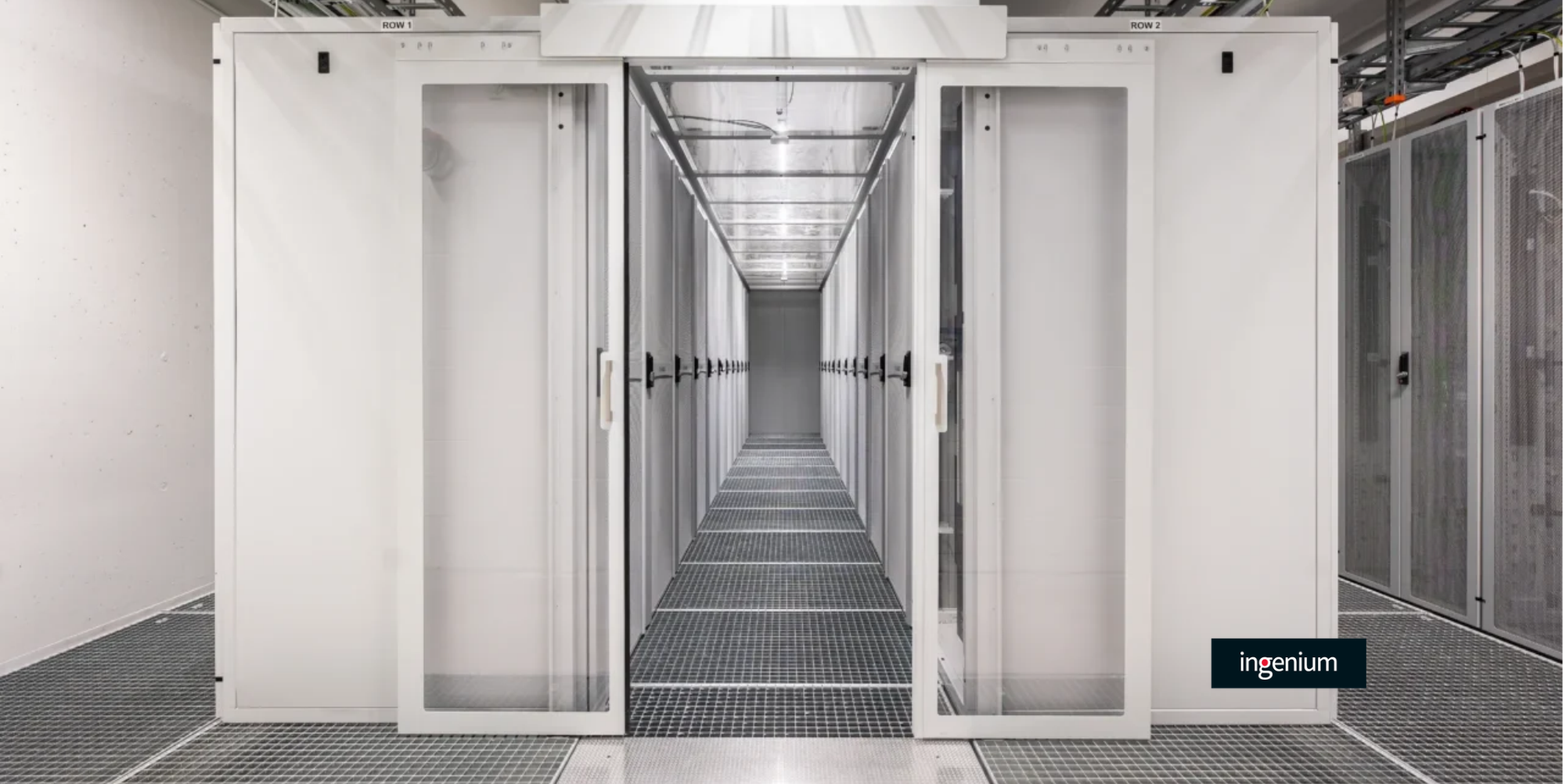
Liquid cooling is becoming crucial for AI data centers — but air remains indispensable
Why an Integrated Feasibility Study Is Critical to the Next Generation of Data Center Infrastructure

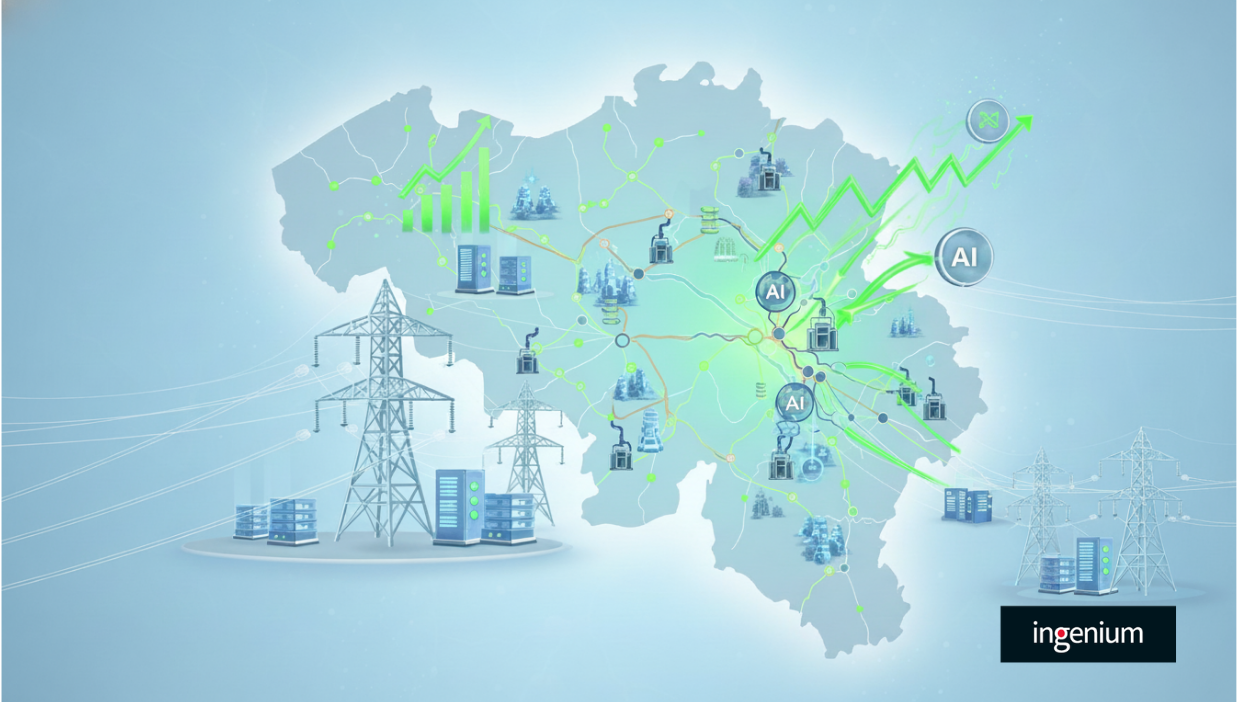
Belgium finds itself at a crossroads in terms of its electricity infrastructure, a situation that directly threatens its competitive position in the European AI economy. While demand for data center capacity is growing exponentially, transmission and distribution networks are grappling with structural capacity constraints that require years of preparation, and at the same time, regulations, sustainability goals, and investment requirements are becoming increasingly stringent.
The numbers speak for themselves: data centers currently consume 5% of Europe’s electricity—in Ireland, that figure is already over 20%—and new connections in the Brussels-Antwerp-Ghent corridor have wait times of 2 to 4 years. Now is the time to make the right decisions, because those who make the right choices regarding electrical infrastructure today will lead the digital economy of 2030; waiting means congestion, higher energy costs, and permit delays.
Want to learn more? Contact wim.boone@ingenium.be or download the white paper here.